
Uttarakhand is often described through a few broad labels—Kumaoni, Garhwali or “Pahadi.” Those labels are useful starting points, but they do not capture the full variety of languages, valleys, occupational histories, pastoral routes, high-Himalayan communities and local ritual systems found across the state.
No single Uttarakhand tradition
A tradition may change from one valley to the next. Wedding songs, deity processions, food, dress, house forms and seasonal observances can differ even within one district. Responsible documentation should identify the community and location wherever possible.
Language and oral memory
The Uttarakhand Bhasha Sansthan notes a wide linguistic landscape that includes Kumaoni, Garhwali, Jaunsari, Rung, Johari, Tharu, Raji and other languages and sub-varieties. Oral literature, songs, stories and ritual speech carry cultural memory.
Ritual art and ceremonial clothing
Aipan designs in Kumaon are associated with particular rituals and spaces. Rangwali Pichhoda is worn by Kumaoni women during major ceremonial occasions. These practices are not interchangeable decorative themes: form and use are tied to family, worship and community life.
Fairs and yatras
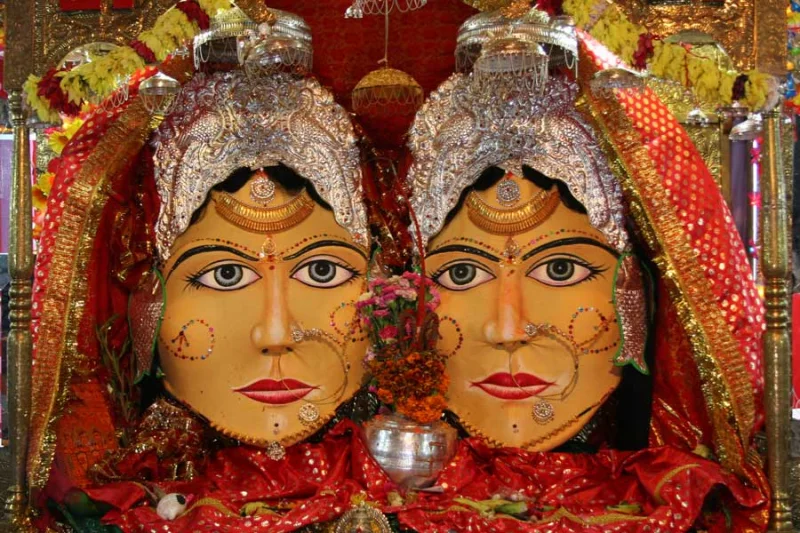
Large events such as the Nanda Devi Raj Jat bring together worship, landscape, oral tradition, pilgrimage and community organisation. They should be understood as living religious and social systems, not only as tourism spectacles.
How to document with respect
- Name the place, community and occasion accurately.
- Ask before recording a ritual or private ceremony.
- Separate local belief from independently verified history.
- Credit performers, artisans and knowledge holders.
- Avoid turning sacred clothing or symbols into generic visual props.
Living traditions are not frozen museum objects. Materials, routes, occupations and performance contexts change. Continuity can also mean communities deciding how knowledge should adapt.