UttaraPedia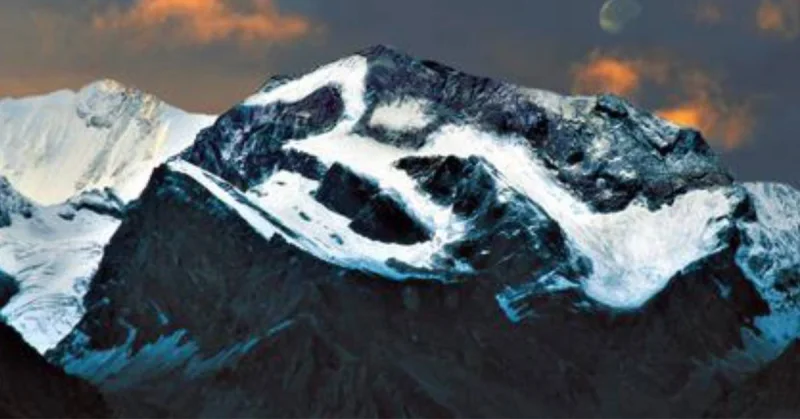
A photograph of Adi Kailash can make you want to leave immediately. Planning the journey takes a little more patience. Roads, weather and the pace at which you gain altitude all matter, and a good trip leaves room for them.
This guide focuses on the decisions that help before booking. It replaces the old departure calendar with practical questions to ask about your own journey.
Two places, two branches of the journey
Adi Kailash and Om Parvat are separate destinations. The Adi Kailash approach heads towards Kuti and Jolingkong. The Om Parvat viewpoint is towards Nabhidhang, via Kalapani. Gunji is an important base in the wider circuit.
These visits are in the Pithoragarh region of Uttarakhand. They should not be confused with the Kailash–Mansarovar journey in Tibet. Our destination introduction explains the landscapes and places behind the names.
Understand the route before choosing a package
First plan your approach to Dharchula. Travellers coming through Kathgodam and Haldwani can continue through the Kumaon hills towards Pithoragarh and Dharchula. There are also approaches from Tanakpur; the useful starting point depends on where you are travelling from.
Beyond Dharchula, the journey continues through Tawaghat towards the Gunji area. Remember the two onward branches: Kuti–Jolingkong for Adi Kailash, and Kalapani–Nabhidhang for Om Parvat. This describes the route, not live road access.
Allow time for the journey, not just the viewpoints
A package starting in Dharchula cannot be compared directly with one starting in Delhi or Kathgodam. Check the actual overnight stops, driving stages and time allowed to adjust to altitude.
Choose a pace with room for rest and delays. Ask what happens if weather changes the plan, and leave flexibility before an essential appointment or a fixed onward booking.
Confirm permissions and documents early
This is a sensitive border region. Obtain the current requirements for your route and dates from the district administration and your selected operator, including identity documents, permissions, medical paperwork and any verification.
Ask which tasks the operator handles and which you must complete yourself. Overseas visitors should confirm eligibility with the relevant authorities for their own passport and citizenship rather than assume an Indian traveller’s arrangements apply.
Road access does not remove the altitude
Road connections have changed the long walking journey described in older accounts. The final approach, vehicle arrangements and any walking still depend on conditions. Ask about the actual walking involved, especially when travelling with children or older relatives.
Allow time to acclimatise. If headache, nausea or unusual tiredness develops at altitude, stop ascending and seek advice. Worsening symptoms at rest, difficulty breathing or loss of balance require urgent help and arrangements to descend. Discuss existing health conditions with a doctor before travelling.
Check conditions close to departure
Snow, rain and debris on the road can affect access. A season label or a clear photograph is not a forecast for your dates. Check again when booking and immediately before setting out.
Keep enough time and money for an extra night if necessary. Confirm the operator’s arrangements if a road closes or a viewpoint cannot be reached.
Compare what the price actually includes
Look beyond the advertised total. Confirm the pickup point, local vehicle changes, room sharing, meals and guide arrangements in writing.
- Who handles permissions and document checks?
- Which hotels or homestays are included?
- Who pays for extra nights or transport changes?
- What applies if the trip is cancelled or a visit is missed?
If travelling with KMVN, use its current official package listings. A price quoted in an old article is not a present-day booking confirmation.
Pack for changing conditions
Bring warm layers, rain protection, comfortable footwear with grip, a hat, sunglasses and your usual medicines. Keep documents, water, a snack and essential contact details in a small day bag.
Carry some cash, a charged power bank and offline copies of addresses. Ask about mobile reception and charging at your overnight stops, and adjust your packing to the season and accommodation.
Watch the journey with PopcornTrip
See the road, mountains and setting in PopcornTrip’s journey film. Footage records conditions at the time of filming; confirm access and permissions for your own travel dates. YouTube ↗