
Choose a place, not a checklist
The Taj Mahal in Agra, the monuments of Hampi in Karnataka and the Buddhist monuments at Sanchi in Madhya Pradesh invite very different visits. All appear on UNESCO’s World Heritage List. Putting them side by side is a way to choose an interest; it does not make them a convenient three-stop route.
Before adding a place to your itinerary, ask what you want to understand there. Is it craftsmanship, the workings of a city or the meaning of a sacred structure? One clear question can be more useful than collecting a long list of famous names.
Agra: look beyond the familiar photograph
The Taj Mahal is the mausoleum commissioned by Shah Jahan in memory of Mumtaz Mahal. Its setting, garden and architectural details deserve attention alongside the celebrated marble building.
Try a simple observation exercise: take in the whole view first, then choose one small detail to examine. Notice how your impression changes with distance. Record what you can actually see and keep historical explanations separate from your own interpretation. Check the monument manager’s current visitor information before committing to a particular day.
Hampi: think about a whole city
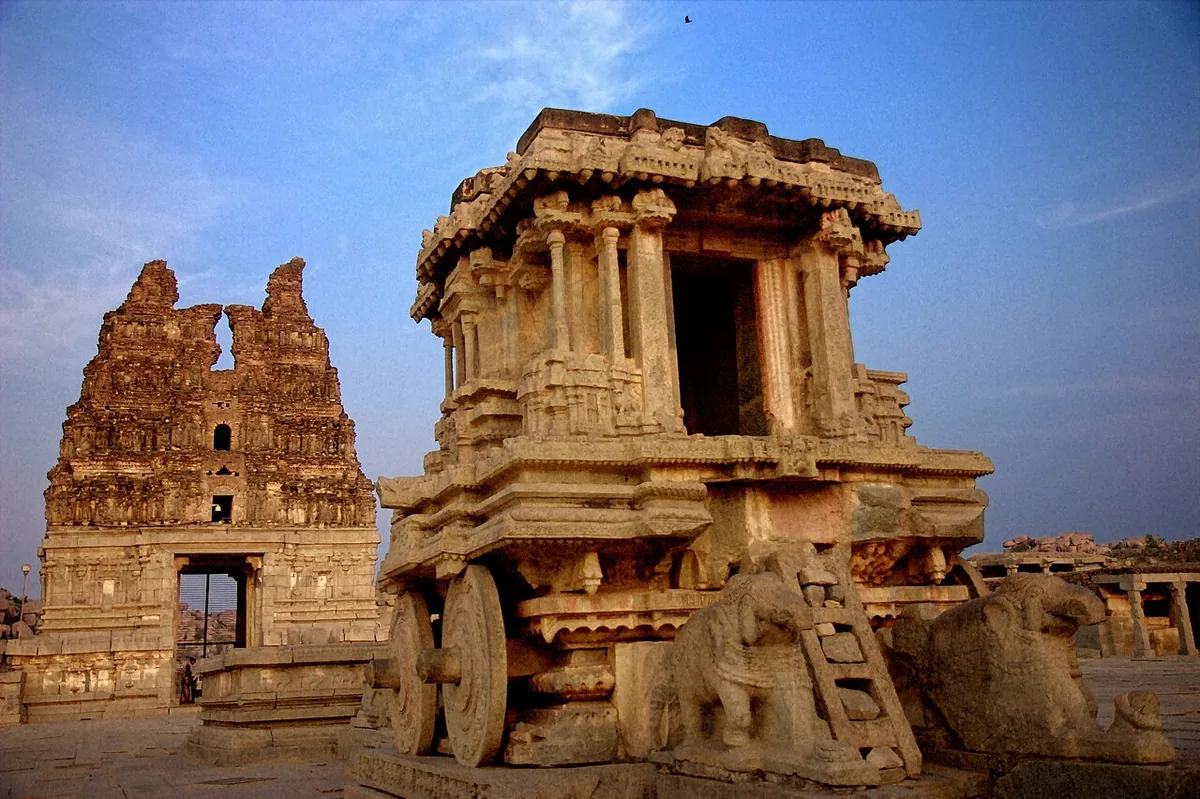
Hampi preserves remains of the Vijayanagara capital, including sacred and royal areas and water structures. The interest extends beyond an individual temple.
On a map, mark two or three places that interest you and examine how far apart they are. Think about a realistic visit with time for pauses and local transport. While looking at a gateway, a market area or a tank, ask how people may have moved between these spaces. Use a reliable site guide to test your ideas rather than turning a guess into a historical fact.
Sanchi: slow down at one gateway
Sanchi’s Buddhist monuments include stupas and carved gateways. They offer another visual language, quite different from the two places above.
Choose one view and spend a few minutes reading its shapes before reaching for the camera. A museum label or an official description can help you distinguish a documented explanation from an attractive story. Finish your planning with a practical choice: which of these places fits the region you are already visiting? Leave the others as reasons to return, rather than rushing across the country.