
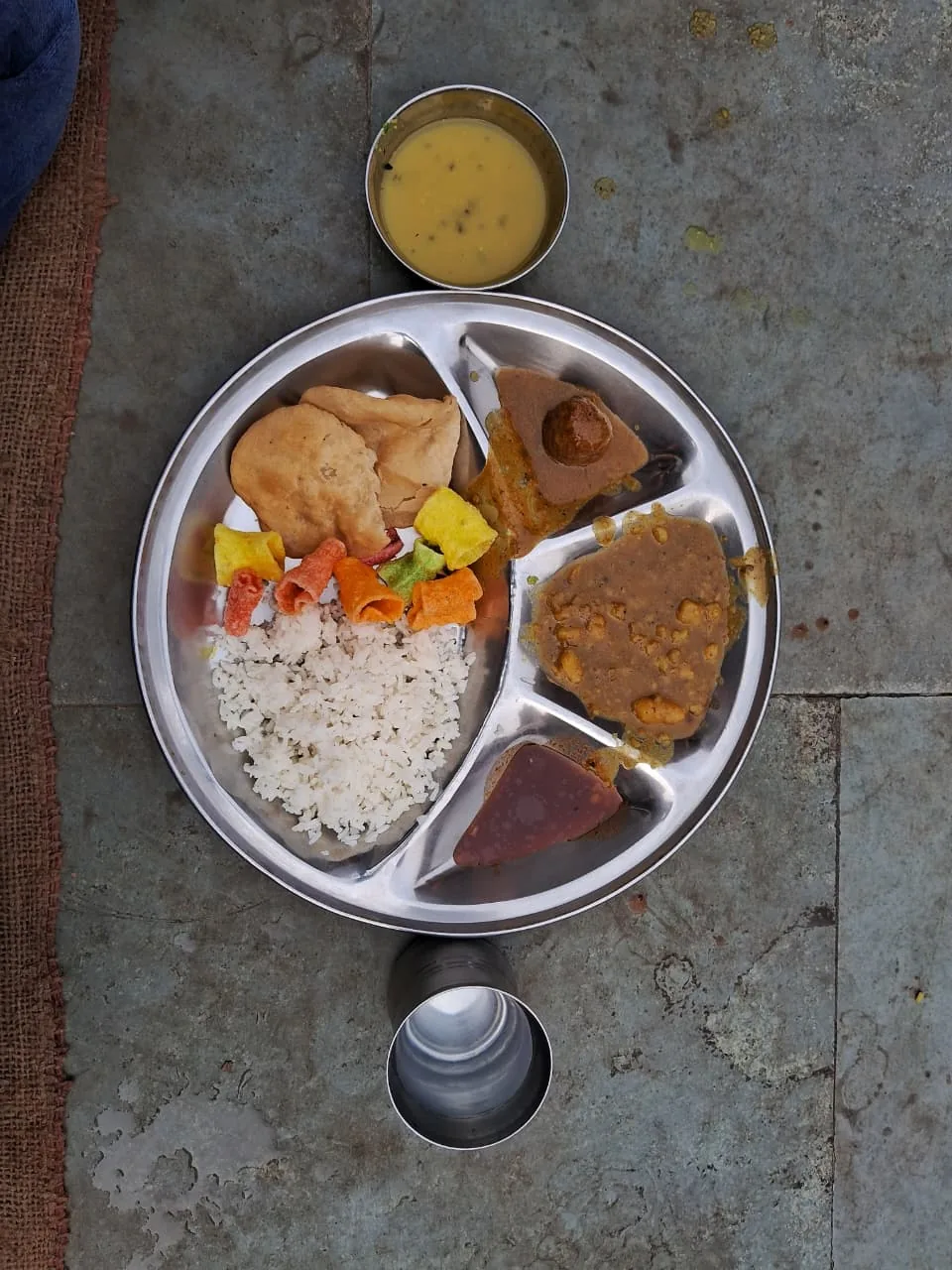
Start with a small, understandable order
An Indian menu is easier to approach when you stop trying to recognise every dish at once. Pick a main dish, ask what accompanies it and check the portion before ordering several extras. A photograph can help with appearance, but it cannot tell you every ingredient or how spicy today’s preparation will be.
Ask the server which dishes are prepared locally and which are the restaurant’s everyday choices. You can begin with one unfamiliar item alongside something you understand. Keep a note of its name and what you enjoyed; that personal food vocabulary will be useful at the next meal.
A region changes the conversation
India’s food varies with region and community. In Uttarakhand, a menu might introduce you to aloo ke gutke, kafuli or rus, alongside preparations using grains and pulses. These are useful names to investigate, not a promise that every restaurant serves them.
Ask what is in the version being cooked today. The same dish name does not guarantee an identical recipe in two kitchens. If your route takes you elsewhere, let the new place change your choices. A meal can be an opportunity to ask about a local ingredient, rather than searching for the same menu throughout the journey.

Say exactly what vegetarian means for you
You can say मुझे शाकाहारी खाना चाहिए। — mujhe śākāhārī khānā cāhie — “I would like vegetarian food.” Then name any additional exclusions. If you avoid eggs, say so; if you avoid milk, curd, paneer or ghee, ask about those separately. Vegetarian and vegan are different requests.
For a serious allergy, a short phrase or a menu label is not enough. Show a clear written description of the ingredient you must avoid and ask whether the kitchen can meet that need, including during preparation. If the answer is uncertain, do not treat a reassuring guess as confirmation.
Use the meal as a Hindi lesson
Try पानी, pānī, for water, and कम मिर्च, kam mirc, when asking for less chilli. A polite question about the bill is बिल दीजिए। — bil dījie. The pronunciation notes are learning aids; pointing to the written words can help when you are not understood.
Practise one phrase at a time and listen to the response. Your aim is a comfortable exchange, not a perfect performance. Before leaving, write down the dish name, its main ingredients and whether you would order it again. Three small notes turn a meal into knowledge you can use.