
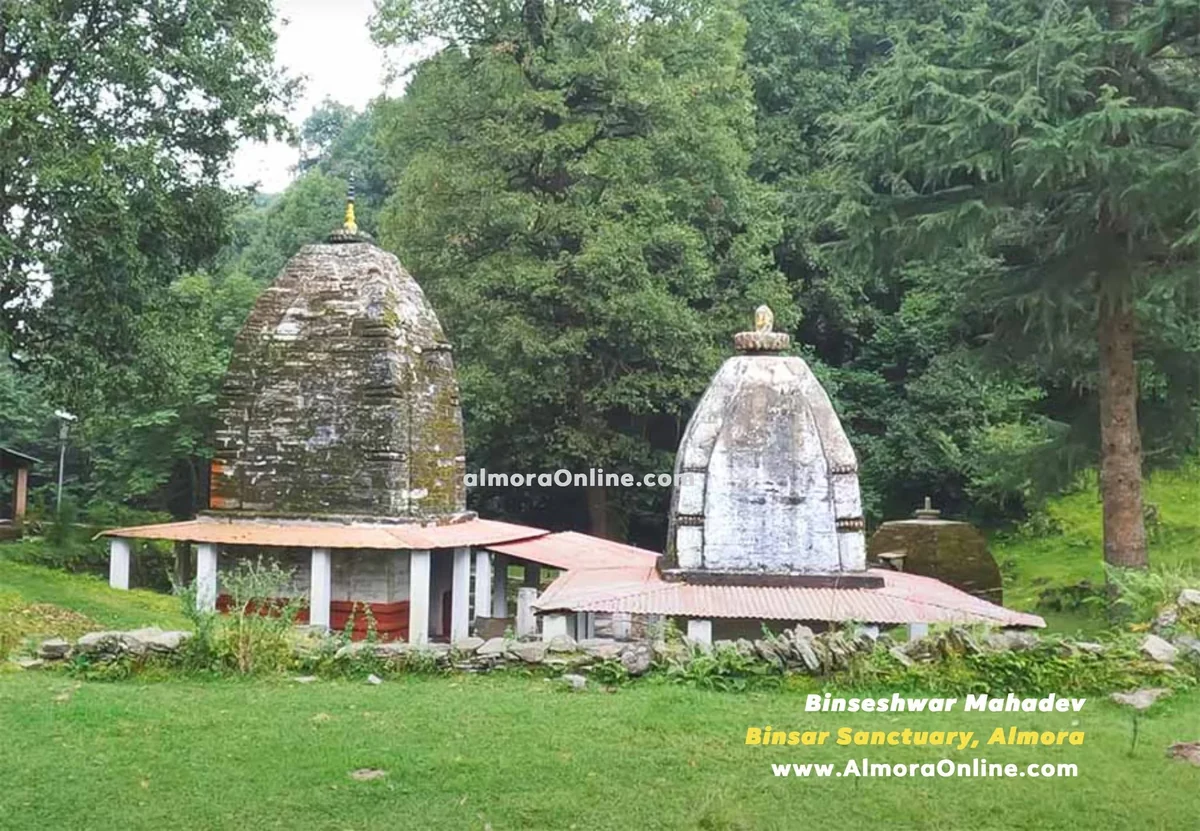
Begin at the entrance
A sacred place may be an important visitor attraction and an active place of worship at the same time. Give yourself a moment at the entrance. Look for instructions about dress, shoes, bags, photography and access. The arrangements at one temple do not establish the rules for another temple, a mosque, a gurdwara or a monastery.
If you are unsure where to go, ask the person managing the entrance before joining a queue. Do not assume that access to a courtyard also means access to every room. A calm question is more useful than trying to follow someone whose reason for being there may differ from yours.
Dress and move with the place in mind
The Ministry of Tourism’s Makharotsav guidance advises respectful dress, removal of footwear where required and following temple instructions. That is a useful example of checking local practice, rather than carrying one fixed rule to every site.
Choose clothes that help you respond comfortably to the instructions you encounter. If a head covering or another arrangement is requested, ask how visitors should comply. Leave passageways clear and avoid placing bags where people walk or pray. When an area becomes crowded, step aside to read your guide or check your phone.
A camera does not replace permission
Before photographing a person, a ceremony or a deity, check whether photography is permitted and whether the people involved agree. A sign allowing general photography does not mean that every individual wants to appear in your picture. Respect a refusal without asking repeatedly.
You can practise the Hindi question क्या मैं फ़ोटो ले सकता हूँ? — kyā maĩ foṭo le saktā hū̃? A woman speaking can use ले सकती हूँ, le saktī hū̃. The question means “May I take a photo?” Wait for a clear answer, and put the camera away if the situation is uncertain.
Learn without interrupting
Observe from a suitable place and avoid blocking a ritual to obtain a better angle. Save longer questions for a quieter moment. A guide, an official notice and a worshipper may offer different kinds of explanation; identify whether you are hearing documented history, local tradition or an individual account.
Before leaving, choose one thing you learned and one question to research later. You do not need to understand every symbol during a single visit. Leaving space for others, following the site’s instructions and accepting the limits of access are already meaningful parts of a thoughtful visit.