UttaraPedia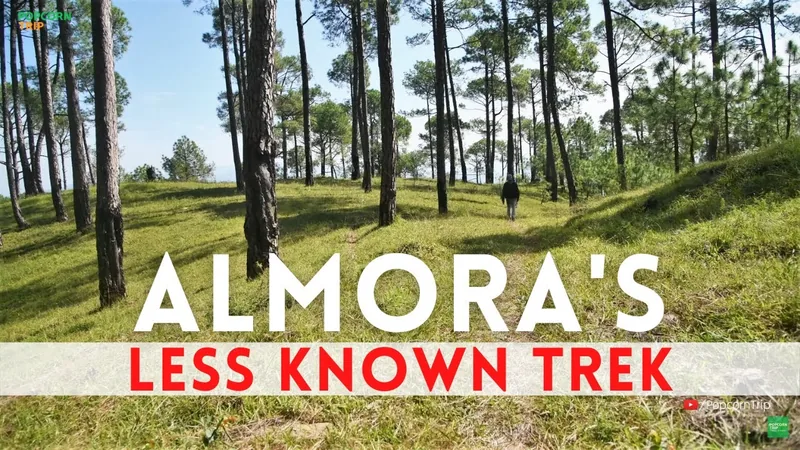
You do not need to identify every tree or bird to enjoy a forest walk. A more rewarding starting point is to notice what changes along the path and keep a small record of it. Almora district's flora account describes several forest communities, including chir pine, oak and deodar. That variety is a reason to look closely, not a shortcut for naming every tree from a distant photograph.
Begin with one small stretch
Choose a permitted path suited to your group and ask about current access before setting out. Instead of trying to cover the greatest distance, select a short section where you can pause without blocking others. Notice whether the canopy is open or dense, how much light reaches the ground and whether the slope faces into shade. Describe what you can actually see.
Make three kinds of notes
First, record the setting: date, approximate location and visible weather. Second, record the observation: a leaf shape, a pattern on bark, a sound or a bird's movement. Third, separate your interpretation: “possibly an oak” is different from a confirmed identification. Keeping those lines apart makes the notebook useful when you later ask a knowledgeable local guide.
Use the camera for context
Take a wider picture before zooming into a detail. A close-up of bark alone can hide useful information about the tree's overall form. Photograph a leaf where it is visible without pulling down a branch, and include enough surroundings to remember where you stood.
Do not collect plants or disturb animals to improve the record. A blurred but undisturbed sighting is preferable to a sharp image obtained by chasing wildlife.
Leave a little space for sound
Pause quietly and distinguish what you hear: wind in leaves, flowing water, insects, distant voices or bird calls. Write an honest description if you do not know the source. Avoid playing calls to draw birds closer. A short personal note can be useful without becoming a public species claim.
Compare places carefully
If one section feels cooler, darker or wetter, note the observation without declaring that a single tree species caused it. Shade, slope, recent weather and other factors can differ together. One walk is a moment in one place, not a survey of an entire forest.
Back at your stay, choose one observation to investigate. Ask for an identification, compare the explanation with your photographs and correct the note if necessary. Keep to the trail, take your rubbish back and follow forest staff instructions. The lasting reward is a better habit of attention: the next walk begins with questions you have learned to ask.
Sources and further reading
Flora and fauna — Almora district
Read also: Dhaulchhina: a base for local walks