 UttaraPedia
From the archive
Major components in Electric Cars
Published: 2023-02-27
Major components in Electric Cars Electric cars are powered by an electric motor and a rechargeable battery system. The major components of electric cars include:
- Battery pack: This is the rechargeable energy storage system that powers the electric motor. It is made up of multiple lithium-ion battery cells connected in series and/or parallel to provide the required voltage and capacity.
- Electric motor: This is the primary power source of an electric car. It converts electrical energy from the battery into mechanical energy to propel the car.
- Inverter: This component converts the direct current (DC) power from the battery to alternating current (AC) power, which is used to power the electric motor.
- Onboard charger: This component is used to recharge the battery pack from an external power source.
- Thermal management system: This system regulates the temperature of the battery pack and electric motor to ensure optimal performance and prevent damage from overheating.
- Power electronics: This component manages the flow of electrical energy between the battery, motor, and other electrical systems in the car.
- Regenerative braking system: This system captures the energy generated during braking and uses it to recharge the battery, thereby extending the car's range.
- Transmission: Electric cars typically have a single-speed transmission or no transmission at all, since electric motors have a wider range of operating speeds compared to combustion engines.
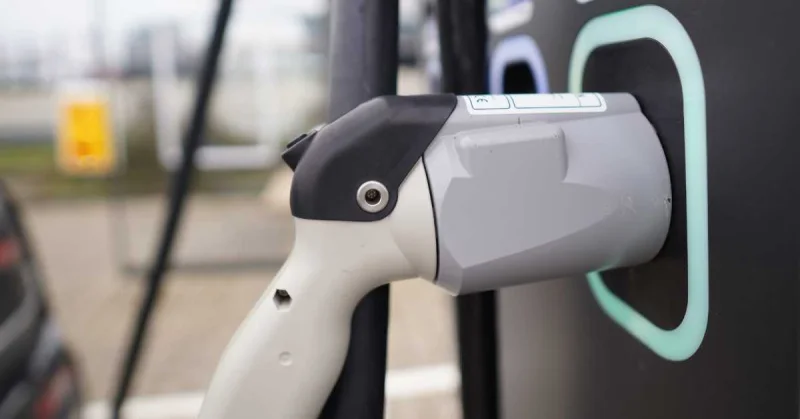
- Charging port: This is the interface for connecting the car to an external power source to recharge the battery pack.
- Dashboard display and controls: This provides information about the car's performance, battery level, and range, and allows the driver to control various features of the car, such as climate control and entertainment systems.
How electric motors work in electric vehicles: An electric motor in an electric vehicle uses electrical energy stored in the battery to create a magnetic field that rotates a rotor, which in turn rotates the wheels of the vehicle.
- Electric power is supplied to the motor from the battery pack.
- The electric power creates a magnetic field in the motor, which interacts with the magnetic field of the rotor.
- The interaction between the magnetic fields causes the rotor to rotate, which in turn rotates the wheels of the vehicle.
- The rotation of the rotor generates torque, which propels the vehicle forward.
- The electric motor continues to rotate the rotor and drive the wheels as long as electrical power is supplied from the battery pack.
Electric motors are highly efficient, with a much higher power-to-weight ratio than traditional gasoline engines. They also have fewer moving parts, resulting in less maintenance and lower operating costs over the life of the vehicle. Additionally, electric motors provide instantaneous torque, making them ideal for stop-and-go driving and quick acceleration.