UttaraPedia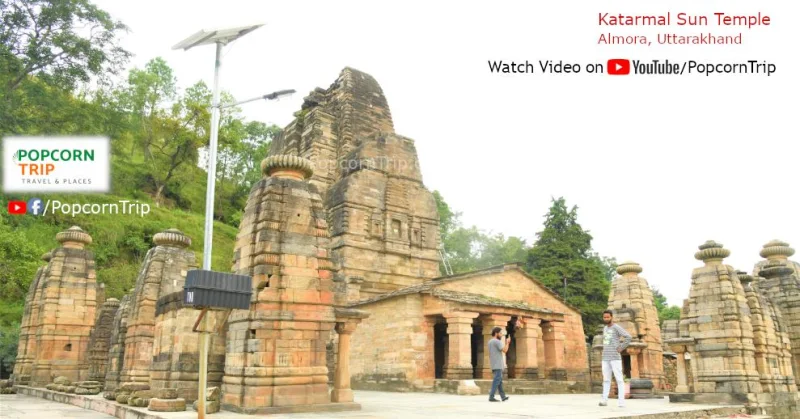
A temple visit can be both a religious experience and an opportunity to notice how a place has been built and used. Those interests work best when visitors remember that a shrine is a living space, not simply an architectural exhibit. Jageshwar and Katarmal in Almora district offer useful starting points for this kind of attention.
Identify the place before describing it
Jageshwar is a group of temples associated with Shiva worship. Katarmal is a Sun temple, also known as Bara Aditya in the district description. These identities matter: a caption about one should not be attached to a photograph of the other. Before looking for an impressive historical claim, record the correct site name and location.
Look from the whole to the detail
From a permitted position, begin with the layout. Notice how the main structure relates to the smaller buildings, open space and paths used by worshippers. Then look at one detail, such as a doorway, stone joint or visible carving. Describe its position and form before trying to identify a deity, symbol or architectural term. A good question is more useful than a confident misidentification.
Keep three kinds of information apart
What you see, what a local tradition says and what a historical source establishes are different kinds of knowledge. All can enrich the visit, but they need clear labels. If a story is introduced as a belief, preserve that framing. If sources disagree on a date, avoid selecting the oldest number merely because it sounds more impressive. A repair or later addition can also belong to a site's history.
Follow the worship space, not your shot list
Read notices and ask about photography before using a camera. Permission in an outer area does not automatically include the interior or a ceremony. Leave doorways clear and avoid interrupting a queue for a symmetrical picture. Do not climb on structures, touch carvings unnecessarily or move objects to improve a composition. Where photography is restricted, written notes are a perfectly useful record.
Take away a small, accurate account
Choose one wide view and one permitted detail rather than a large set of nearly identical images. Note the name, date and where each picture was taken. If a guide or caretaker supplies an explanation, ask how they would like to be identified before quoting or crediting them publicly. Do not photograph visitors as background decoration without considering their privacy.
Later, compare your observations with the official site description and reliable heritage material. Correct uncertain captions before posting. You may leave with fewer dramatic claims, but with a clearer understanding of what you saw and why the place matters to the people who continue to use it.
Sources and further reading
Temple heritage — Almora district · Katarmal Sun Temple — Almora district
Read also: Planning the Chitai–Jageshwar route